
Online Gaming as Part of Modern Leisure

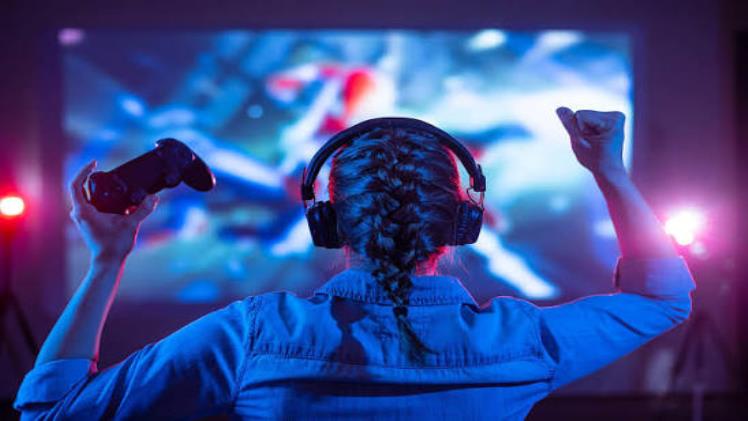
Online gaming has become an important part of modern leisure, offering people convenient ways to relax, socialize, and enjoy interactive entertainment. From casual mobile titles to immersive multiplayer experiences, digital games now fit naturally into everyday routines. Platforms and gaming communities such as agb99 also reflect how online entertainment continues to evolve, bringing diverse interactive experiences into a single digital environment. As technology improves, online gaming is increasingly viewed not simply as a pastime but as a broad entertainment culture.
The Evolution of Online Gaming
The development of online gaming has been closely connected to advances in internet connectivity, smartphones, computers, and digital platforms. Slow connections and basic graphics often limited early online experiences. Today, players can access sophisticated games with detailed environments, real-time communication, and regularly updated content.
Cloud technology and improved mobile networks have also made gaming more accessible. Users no longer need expensive equipment for every type of experience. Many games can be played on smartphones, tablets, or standard computers, making entertainment more flexible and portable.
Gaming as a Social Activity
One of the most significant changes in modern gaming is the growth of social interaction. Multiplayer games allow people to communicate, cooperate, and compete with others in real time. Friends can participate in the same digital experience even when they live in different cities or countries.
Online communities have also developed around popular games. Discussion groups, livestreams, forums, and social channels allow enthusiasts to exchange strategies, opinions, updates, and creative ideas. This community aspect makes gaming more than an individual activity and gives players opportunities to build connections around shared interests.
Convenience and Accessibility
Convenience is another major reason online gaming has become part of modern leisure. Digital platforms allow users to discover entertainment without visiting a physical location. Many casual games can be started within minutes, making them suitable for short breaks or relaxed evenings.
Mobile gaming has contributed significantly to this trend. Smartphones are widely available, and many games are designed specifically for shorter sessions. This flexibility allows users to choose entertainment according to their schedules rather than organizing their routines around it.
Accessibility also extends to different genres and preferences. Puzzle games, strategy titles, simulations, sports games, adventures, and multiplayer experiences provide diverse choices. Players can explore different formats according to their interests and available time.
Technology and Immersive Experiences
Technology continues to influence the quality of digital entertainment. Faster processors, improved graphics, artificial intelligence, virtual reality, and augmented reality are creating increasingly interactive experiences. Developers can build dynamic environments where players respond to changing situations and make meaningful decisions.
Artificial intelligence is also being used to improve characters, matchmaking, personalization, and game environments. These developments can make experiences feel more responsive while giving developers new ways to create engaging content.
However, technological progress is not only about visual quality. Accessibility features, customizable controls, subtitles, and flexible difficulty settings can make games more approachable for a wider range of users.
Responsible Digital Leisure
Like any form of entertainment, online gaming is best enjoyed as part of a balanced lifestyle. Managing screen time, taking regular breaks, maintaining healthy routines, and protecting personal information are important aspects of responsible digital participation.
Players should also understand the difference between entertainment and activities involving real-money risk. Checking platform rules, age requirements, privacy policies, and local regulations can help users make informed decisions. A thoughtful approach ensures that gaming remains an enjoyable leisure activity rather than interfering with school, work, relationships, sleep, or other responsibilities.
The Future of Online Gaming
The future of online gaming is likely to involve even greater connectivity, personalization, and cross-platform experiences. Improvements in cloud infrastructure may allow sophisticated games to run across a wider range of devices, while emerging technologies could introduce new forms of interaction.
Gaming may also continue to overlap with entertainment, education, creativity, and social communication. Digital events, interactive storytelling, esports, and user-generated content demonstrate how broad the industry has become.
Conclusion
Online gaming has established itself as a major component of modern leisure because it combines accessibility, entertainment, technology, and social interaction. Its continued development is creating new ways for people to experience digital content while encouraging communities to form around shared interests. With responsible habits and appropriate awareness, online gaming can remain a flexible and engaging part of contemporary leisure culture.